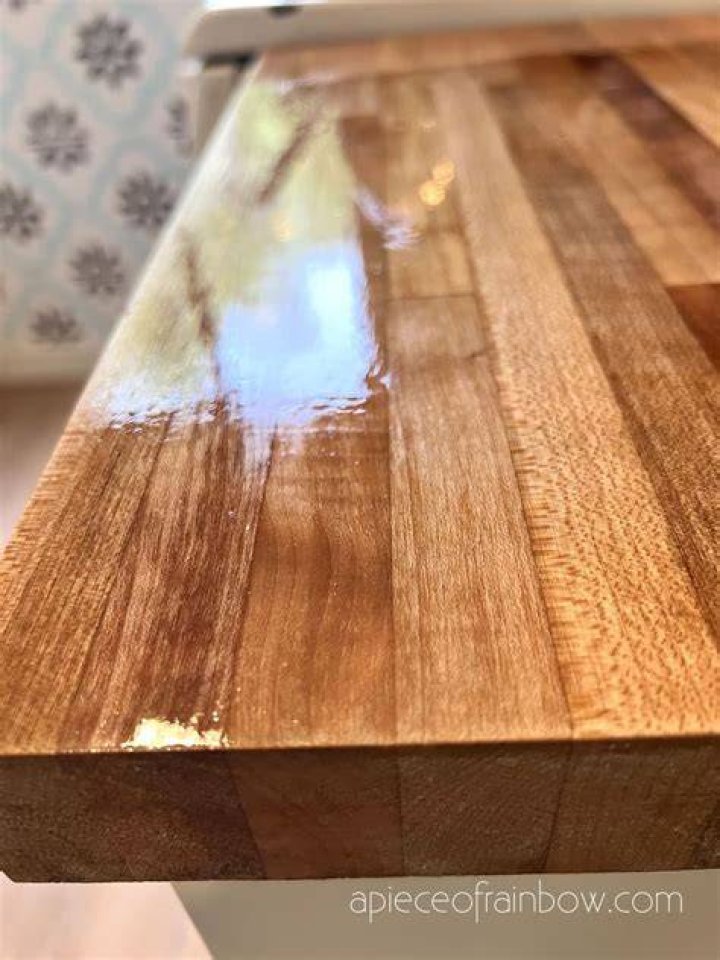
How do you finish a bar top with polyurethane?
 Matthew Sanders
 - Prepare the surface of your bar.
- Thin the polyurethane.
- Apply the first coat of polyurethane.
- Allow the polyurethane to dry completely.
- Sand the first coat.
- Clean the surface thoroughly.
- Repeat Steps 3 through 6 until you have applied three coats of polyurethane.
.
Also question is, is polyurethane good for bar tops?
Polyurethane varnish is one of the best finishes for a countertop -- it's durable and, when applied properly, can be just as subtle as lacquer. The difference between oil- and water-based polyurethane varnish has more to do with the solvent than it does with the resin.
Subsequently, question is, how many coats of polyurethane should a bar top have? Polyurethane is typically applied in three or more coats, with a light sanding between coats. Thin polyurethane with paint thinner makes it easier to apply and shortens the drying time between coats. Applying polyurethane takes patience and attention to detail, but the end result is a beautiful, durable surface.
In respect to this, do you sand the final coat of polyurethane?
No, you don't sand the final coat. You make sure you either spray it, or lay it on nice and even. Sand the previous coats to make sure there is a perfectly flat and even base for the final coat.
What is the best wood for a bar top?
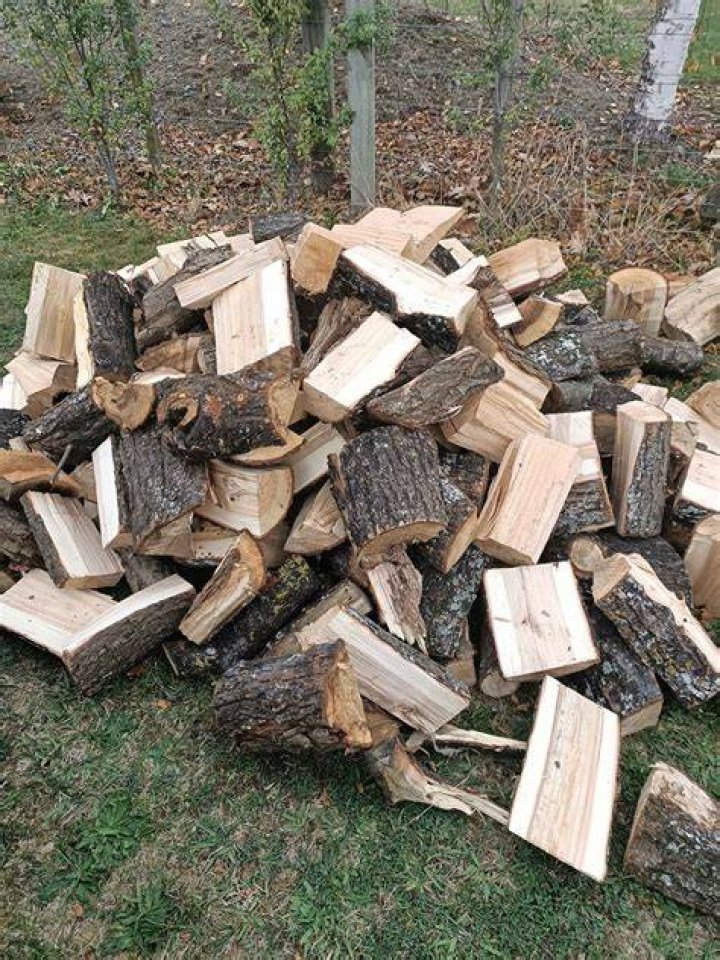
Finding the Best Wood for Bar Tops Our most popular reclaimed hardwoods are pine, chestnut and oak. Understanding the qualities of each will help you choose the best wood for bar tops for your home or business. Oak is strong, stiff and resistant to warping. It's a good choice for outdoor bars.
Related Question Answers
What is the best finish for a dining room table?
Tabletop finishing: Go with polyurethaneBut for a combination of usability and durability, you can't beat polyurethane. Oil-based poly, which dries slower than water-based, is best for beginners because it allows more working time.Is epoxy resin waterproof?
The Benefits of Using Waterproof Epoxy Resin. The resulting hardened epoxy is incredibly waterproof, a detail that didn't escape the attention of the pioneers of this material, and epoxy resins are used broadly as coatings and as waterproofing in many industries, including home construction.What is 2k urethane?
SHERTHANE 2K URETHANE is a 2-component, VOC compliant, aliphatic acrylic modified polyurethane designed for use in industrial environments. A chemical and abrasion resistant urethane enamel.How do you finish epoxy resin?
Steps- Use soap and warm water to clean your resin piece, if necessary.
- Wet sand the resin with 400 grit sandpaper to remove any scratches.
- Repeat the sanding process with increasingly finer grit sandpaper.
- Dry off your resin piece with a towel to remove any grit or dust.
How long does it take polyurethane to dry on countertops?
It typically takes eight to 24 hours for a single coat (which is enough for a beautiful finish) of polyurethane to dry thoroughly. Once it has hardened, polyurethane can't be reconstituted.How durable is clear epoxy resin?
Epoxy is very resistant to wear, cracking, peeling, corrosion and damage from chemical and environmental degradation. Once cured, epoxy is moisture resistant. Epoxy is not, on its own, UV resistant.What is the best varnish for bar tops?
Manns Trade Bar Top Lacquer is an extremely durable, single component, polyurethane lacquer that dries to a high build, professional bar top finish. It's suitable for use on softwood and hardwood table tops, bar tops and counters. It can also be used on other wooden surfaces that demand a high degree of protection.Can you put polyurethane on laminate countertops?
Apply polyurethane layers. Paint three coats of polyurethane on the kitchen countertops to seal the surfaces. Choose a satin or glossy polyurethane to give the kitchen laminate countertops a high-end look and feel. Allow each layer to dry between coats completely.How thick can you pour epoxy?
Water-clear, high-gloss, low-viscosity, pourable epoxy resin lets you pour single layers up to 1″ thick for larger applications, and up to 2″ thick for smaller molds.Can you put epoxy over stained wood?
Applying epoxy over stained surfaces. Jennifer B. Our product is not designed to be used over oil based stains, urethanes, or paints. We recommend the use of water based stains.Can I use polyurethane on butcher block?
Polyurethane for butcher block countertops.Polyurethane is a liquid coating that dries into a plastic film and is great for sealing the countertop, but then there's a layer of plastic between you and your pretty new wood.How thick should a bar top be?
» The minimum bar top thickness is 1 3/4-inches utilizing a flat grain wood. Increased thicknesses are available using a built-up assembly or other construction styles, such as edge grain. » The front overhang for the patron side of the bar is typically 6- to 12-inches if you intend to have bar stools.What happens if you don't sand between coats of polyurethane?
Q: What will happen to a wood floor if you do not sand between coats of polyurethane? A: Nothing, provided you apply each coat of finish within a reasonable amount of time. If you get dust nibs or brush marks in the finish, sanding will smooth them, and your next coat will look better if you work on a smooth surface.How do you smooth the final coat of polyurethane?
How to Get a Smooth Polyurethane Finish- Overview: Materials and techniques.
- Tip 1: Sand out pencil marks.
- Tip 2: Maintain a clean work area.
- Tip 3: Wipe the project with mineral spirits.
- Tip 4: Use a roller on large, flat surfaces.
- Tip 5: Finish both sides at once.
- Tip 6: Use wipe on poly for small or tight areas.
- Tip 7: Lightly sand with pads and paper.
How do you finish the last coat of polyurethane?
Polyurethane Finish Tip#1: Start With a Thick CoatingSand lightly with 240-grit sandpaper between coats, then let the last coat dry for at least 24 hours. This is standard practice with any wood finishing job, and is nothing out of the ordinary.Can you apply a second coat of polyurethane without sanding?
There is no substitute for sanding between each coat if you want the best finish. I get the best result building or refinishing furniture when I thin oil based urethane 3 parts urethane- 1 part mineral spirits for the first coat. Sand with 220 grit after first coat and wipe down with a tack cloth.How do you apply polyurethane without brush marks?
A light coating of finish after sanding disguises the area.- Sand down the brush marks lightly with the fine-grit sandpaper.
- Brush the sanded area off with a soft cloth to remove all traces of dirt and grit from the sanding.
- Apply the polyurethane finish lightly to the brush, making sure to wipe off any extra.